The journey toward true financial independence often feels like navigating a dense fog without a reliable compass to guide your steps. Many people find themselves at the end of the month wondering where their hard-earned paycheck disappeared, despite having no major luxury purchases to show for it. This common phenomenon is usually the result of “passive spending,” where small, unmonitored transactions slowly drain your bank account until nothing remains for your long-term goals.
To break this cycle, you need a disciplined and proactive strategy that forces you to confront your financial habits head-on every single day. Zero-Based Budgeting (ZBB) is the gold standard for those who want absolute control over their economic destiny by ensuring that not a single cent goes unaccounted for. Unlike traditional methods that only track what you have already spent, ZBB requires you to plan your entire month before it even begins, giving you the power of a financial architect.
By assigning a specific job to every dollar you earn, you transform your relationship with money from one of constant anxiety to one of strategic mastery. In 2026, where digital subscriptions and micro-transactions are more prevalent than ever, this granular approach is the only way to ensure your wealth grows intentionally. This guide will provide a comprehensive deep dive into the mechanics of the zero-based system, offering the secrets you need to eliminate waste and build a lasting legacy.
A. The Philosophy of the Zero Balance
The core concept of Zero-Based Budgeting is that your total income minus your total expenses must equal exactly zero at the end of the month. This does not mean you have zero dollars in your bank account; rather, it means every dollar has been assigned to a specific category.
Whether a dollar is going toward your rent, a fancy dinner, or a high-yield savings account, it must be labeled before the month starts. This level of intentionality prevents “leaky” spending where money just seems to vanish into thin air.
A. Income is defined as every source of cash flow, including your primary salary, side hustles, and even tax refunds.
B. Expenses include everything from fixed bills like rent to variable costs like groceries and even your savings goals.
C. The “Zero” target is the mathematical proof that you are in 100% control of your financial resources.
D. This method requires a proactive mindset, as you are budgeting for the future rather than just recording the past.
E. Zero-based budgeting is highly effective for people with limited income because it maximizes the utility of every cent.
B. Setting Up Your Initial Income Profile
Before you can give your dollars a purpose, you must have an accurate count of exactly how many dollars are entering your ecosystem. In the modern economy, this is often more complicated than just looking at a single paystub.
You must account for after-tax “take-home” pay to ensure your math remains grounded in reality. Including gross pay in a zero-based budget is a common mistake that leads to overspending on paper.
A. Calculate your net monthly salary after all government taxes and mandatory insurance deductions are removed.
B. Include average earnings from freelance work or “gig” economy platforms, using a conservative estimate.
C. Account for passive income streams such as dividends from stocks or rental income from property investments.
D. Track any recurring “gifts” or subsidies you receive to ensure the total pool of capital is visible.
E. Update this profile every month to account for shifts in overtime pay or seasonal variations in your work.
C. Categorizing Fixed and Variable Expenses
Once you know your total income, you must begin the process of “spending” that money on paper before the month begins. Start with your non-negotiable fixed expenses that stay the same every month.
After the fixed costs are settled, you move into variable expenses, which are harder to predict but offer more opportunities for optimization. This is where most people find the “extra” money they didn’t know they had.
A. Fixed Expenses: These are items like rent, mortgage, car insurance, and internet subscriptions that have a set price.
B. Variable Expenses: These include groceries, fuel, and utility bills that can fluctuate based on your behavior.
C. Sinking Funds: These are small amounts set aside monthly for large, infrequent costs like car repairs or holiday gifts.
D. Lifestyle Wants: This category includes dining out, cinema tickets, and hobbies that improve your quality of life.
E. Buffer Zone: A small “miscellaneous” category designed to catch the tiny errors that happen in any real-world plan.
D. Prioritizing the “Savings as an Expense” Rule
The secret to wealth in a zero-based system is treating your savings goals as “bills” that must be paid. In the ZBB math, a $500 transfer to your investment account is treated with the same urgency as your electricity bill.
By making savings a mandatory expense, you ensure that you never “run out of money” to save at the end of the month. You are essentially paying your future self before you pay the grocery store or the clothing shop.
A. Emergency Fund: This should be the first “expense” you pay until you have at least three months of living costs saved.
B. Retirement Contributions: Allocate funds to your 401(k) or IRA as a core part of your monthly zero-sum plan.
C. Debt Repayment: Treat extra payments toward high-interest credit cards as a critical expense to stop the interest drain.
D. Long-Term Goals: Specifically label money for a future house down payment or a dream wedding as a distinct category.
E. Portfolio Rebalancing: Use your monthly budget to add capital to underperforming sectors in your investment strategy.
E. The Power of “Giving Every Dollar a Job”
When every dollar has a name, you lose the “guilt” associated with spending. If you budgeted $100 for a luxury dinner and you spend exactly $100, you have successfully followed your plan.
The magic happens when you realize that “Savings” is just another job for a dollar. When you see your money as a team of workers, you become a much more effective manager of your resources.
A. The “Work” of a dollar can be protecting you (insurance), feeding you (groceries), or growing for you (stocks).
B. Avoid “unassigned” money sitting in your checking account, as this is the primary cause of impulse purchases.
C. If you have $20 left over at the end of your planning, put it toward your smallest debt or a savings goal.
D. Use the “Envelope System” for variable categories to ensure you don’t overspend your assigned job limits.
E. Review your “dollar assignments” weekly to see if any workers need to be moved to a different task.
F. Managing Irregular Income with ZBB
Zero-based budgeting is actually the best method for freelancers and contractors because it forces a “worst-case scenario” plan. If your income is unpredictable, you must budget based on your lowest expected monthly earnings.
When you have a “high-income” month, the extra money is immediately assigned to a “Hill and Valley” fund. This fund acts as a reservoir that feeds your budget during the lean months.
A. Baseline Budgeting: Build your core plan around the minimum amount you know you will earn.
B. The Priority List: Create a list of categories ranked by importance to know what to pay if income is low.
C. The Surplus Strategy: Have a pre-set plan for where every extra dollar goes during a “windfall” month.
D. Tax Reserve: Since taxes aren’t deducted for freelancers, “paying” your tax account is your number one ZBB priority.
E. The “Month Ahead” Goal: Aim to use this month’s income to pay for next month’s expenses for ultimate stability.
G. Tracking and Adjusting in Real-Time
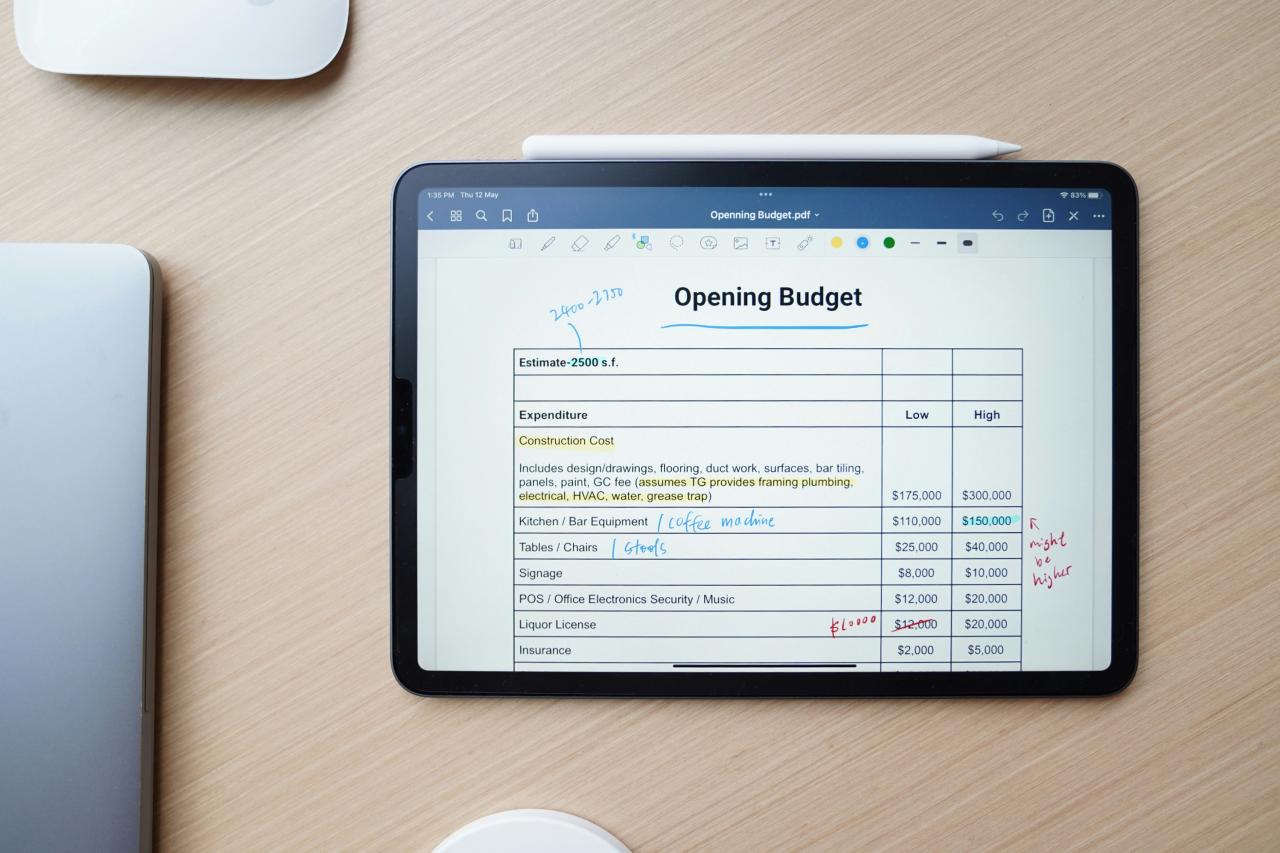
A zero-based budget is not a static document; it is a living plan that requires constant attention. Modern apps make this easier by syncing with your bank account and alerting you when a category is nearly empty.
If you overspend in one category, the zero-based rule requires you to take that money from another category. This “rebalancing” keeps your total math at zero and forces you to see the trade-offs you are making.
A. The “Check-In” Routine: Spend five minutes every morning categorizing the previous day’s transactions.
B. The “Pivot” Move: If you spend $20 more on fuel than planned, move $20 from your “dining out” category to cover it.
C. Category Exhaustion: When a category hits zero, you must stop spending in that area for the rest of the month.
D. Visual Progress: Use bar charts or “funding rings” to see how much of your plan is completed in real-time.
E. End-of-Month Review: Compare your planned budget to your actual spending to make the next month’s plan more accurate.
H. Eliminating the “Subscription Bleed”
One of the biggest obstacles to a zero-based budget in 2026 is the sheer number of automated subscriptions. From streaming services to software-as-a-service, these tiny “leaks” can ruin a budget.
ZBB forces you to list every single subscription as a line item. When you see them all together, you are much more likely to cancel the ones you no longer use.
A. Conduct a “Subscription Audit” once a quarter to find services you haven’t used in 30 days.
B. Bundle your “Wants”: If you have five streaming services, consider rotating them month-by-month to save.
C. Use “Pre-paid” cards for subscriptions to ensure they can’t overdraw your main account or ruin your math.
D. Look for “Annual Discounts”: If a service is essential, pay for the year upfront to lower your monthly average.
E. Negotiate: Call your internet or insurance provider and use your ZBB data to show you need a better rate.
I. The Psychological Shift: From Scarcity to Abundance
Many people fear that zero-based budgeting will make them feel “poor” because they are constantly counting pennies. In reality, the opposite is true.
Knowing exactly where your money is going creates a sense of profound abundance. You are no longer afraid of your bank account because you are the one who told it what to do.
A. Empowerment over Fear: Replacing the “I can’t afford it” mindset with “That’s not in the plan this month.”
B. Goal Visualization: Seeing your “House Fund” grow by $10 every month provides a massive dopamine hit.
C. Reduced Relationship Stress: When couples agree on the “zero” plan, there are no more fights about “mystery” spending.
D. Intentional Celebration: Budgeting for a “celebration fund” allows you to party without the post-party financial hangover.
E. The “Sleep Well” Factor: Knowing your emergency fund is a line-item expense provides unmatched peace of mind.
J. Advanced ZBB: The Sinking Fund Strategy
A sinking fund is a way to handle “non-monthly” expenses within a zero-based framework. If your car insurance is $600 every six months, you “spend” $100 into a sinking fund every month.
This prevents a “budget shock” where one month is ruined by a large, expected bill. By breaking large costs into small, monthly “jobs” for your dollars, you maintain a steady financial pace.
A. Annual Holidays: Saving $200 a month for a big trip ensures you don’t put the vacation on a credit card.
B. Pet Health: Monthly “payments” to a pet fund cover the expensive vet visits that always happen at the wrong time.
C. Technology Upgrades: Save $50 a month for your next phone or laptop so you can buy it in cash when the time comes.
D. Home Maintenance: A general fund for the inevitable “leaky pipe” or broken appliance keeps your budget safe.
E. Clothing Cycles: Instead of one big shopping spree, assign a small amount every month for seasonal wardrobe updates.
K. Common Mistakes that Break the System
Zero-based budgeting is simple, but it is not always easy. The most common reason people fail is that they make their categories too complex or their expectations too high.
Another major pitfall is failing to account for “cash leakage.” Small cash tips or vending machine purchases must still be tracked, or your bank balance will never match your budget balance.
A. Over-Categorizing: Don’t have a separate category for “Apples” and “Oranges”; just call it “Groceries.”
B. Being Too Rigid: Life happens, and you must be willing to move money between buckets when plans change.
C. Forgetting “The Small Stuff”: Parking meters, bridge tolls, and digital tips must be included in the plan.
D. Lack of Consistency: Skipping even one week of tracking makes it very hard to get back on the “Zero” horse.
E. Underestimating Variable Costs: Always guess a little “high” on items like electricity and water to avoid a deficit.
L. The 2026 Tech Stack for Zero-Based Success
To truly master ZBB today, you should leverage the latest financial technology. AI-driven tools can now “guess” which category a transaction belongs to, saving you hours of manual entry.
However, be careful of “over-automation.” The primary benefit of ZBB is the active engagement with your money. If the app does everything for you, you lose the psychological connection to your spending.
A. Direct Bank Syncing: Ensure your tool of choice pulls data in real-time so you are never looking at old numbers.
B. AI Categorization: Use software that learns your habits but still requires you to “approve” every transaction.
C. Shared Budgets: For families, use a “Cloud-Sync” budget so both partners can see the remaining balance in real-time.
D. Multi-Currency Support: Essential for remote workers or digital nomads who earn and spend in different denominations.
E. Security Protocols: Always use tools with 256-bit encryption and multi-factor authentication to protect your data.
Conclusion

Mastering a zero-based budget is the most significant step you can take toward total financial sovereignty.
It is a disciplined practice that turns your bank account into a high-performance engine for wealth creation.
By giving every single dollar a specific purpose, you eliminate the mystery of where your money goes.
This method ensures that your long-term dreams are funded with the same priority as your monthly rent.
Zero-based budgeting is not about restriction but about the ultimate freedom to spend without guilt.
The process of planning your month in advance gives you a tactical advantage over the modern consumer economy.
Whether you are a salaried professional or a freelancer, the math of “Zero” provides a reliable foundation.
Adjusting your plan in real-time is the secret to surviving the unpredictable nature of daily life.
The psychological shift from being a victim of your finances to being their architect is truly life-changing.
Sinking funds protect you from the sudden shocks of large bills that would otherwise derail your progress.
Leveraging modern technology makes the ZBB process faster and more accurate than ever before.
As you commit to this path, you are building a future where your money works for you, not the other way around.